
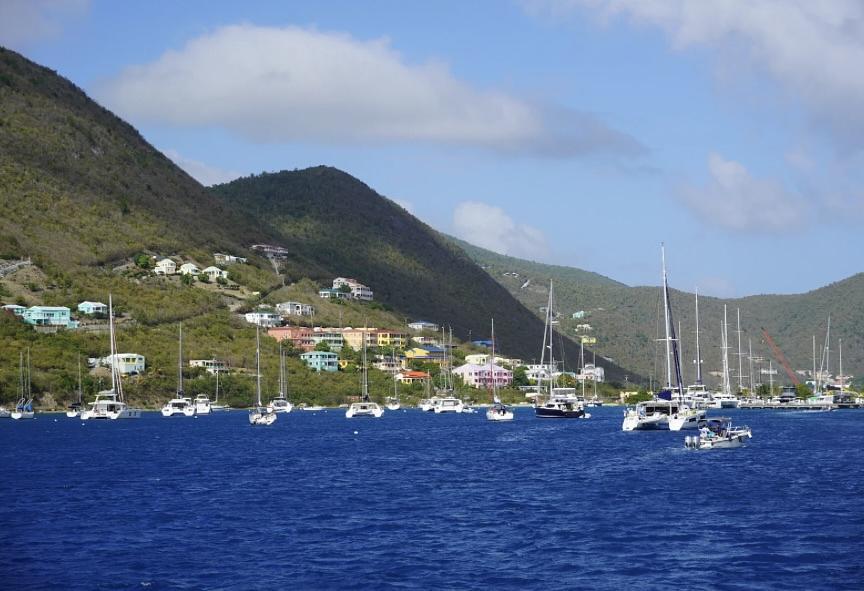
The British Virgin Islands are a British Overseas Territory — not part of the United States. Every person traveling by ferry from the US Virgin Islands to the BVI must present a valid passport. This applies to all ages, including children. The BVI recommends your passport be valid for at least six months beyond your intended travel date.
This is one of the most common points of confusion for travelers: the USVI and BVI are close together (some crossings are just 25 minutes), but they are separate countries with an international border. You will clear immigration and customs on arrival.
USVI vs. BVI — What's the Difference?
US Virgin Islands
The US Virgin Islands (St. Thomas, St. John, St. Croix) are a US territory. US citizens do not need a passport to travel there from the mainland or between USVI islands.
British Virgin Islands
The British Virgin Islands (Tortola, Virgin Gorda, Jost Van Dyke, Anegada, and others) are a British Overseas Territory. A passport is required for entry regardless of where you're coming from.
The BVI Online ED Card
As of January 1, 2025, the BVI requires all travelers to complete an Online Entry/Departure Card before arrival. This replaced the old paper immigration form.
Visit bviedcard.gov.vg to submit your card
Can be submitted up to 72 hours before arrival
Fill it out before reaching the ferry terminal — Wi-Fi at the dock can be unreliable
When asked for vessel name, enter the ferry company name (e.g., "Smith's Ferry")
Fees for Ferry Travel to the BVI
Beyond your ferry ticket, expect these additional fees when crossing the USVI-BVI border:
Paid when departing St. Thomas for the BVI. Not included in ferry ticket.
Environmental/tourism levy upon BVI entry. Often built into the ferry ticket.
Per person when leaving the BVI ($15 for residents). Paid at terminal before security.
What Happens at BVI Customs on the Ferry
When your ferry arrives at a BVI port (Road Town, West End, Great Harbour, or Spanish Town), all passengers go through BVI Immigration and Customs:
Step 1
Exit the ferry and collect your luggage
Step 2
Join the immigration line — visitors on the left, residents on the right
Step 3
Present your passport and ED Card confirmation to the immigration officer
Step 4
Proceed through customs — have receipts ready if you're bringing in goods to declare
Processing typically takes 10-30 minutes but can stretch to 45 minutes during high season or when multiple ferries arrive at the same time.
Children's Document Requirements
Children of all ages need their own valid passport to enter the BVI. There are no exceptions for minors traveling with parents. If a child is traveling with only one parent, it's advisable (though not always required) to carry a notarized letter of consent from the other parent.
Returning to the USVI from the BVI
When returning from the BVI to the USVI, you'll clear US Customs and Border Protection (CBP) upon arrival in St. Thomas or St. John. Have your passport ready. US citizens without a passport can use a REAL ID-compliant photo ID plus an original or certified birth certificate, though a passport is strongly recommended.
What to expect at US CBP on the return ferry:
Pay the BVI departure tax ($20 per person) at the BVI terminal before boarding
Board the ferry and cross back to the USVI
Upon arrival, all passengers proceed through the CBP inspection area
Present your passport (or passport card) to the CBP officer
Answer standard questions about what you're bringing back and the purpose of your trip
Declare any goods purchased in the BVI — the duty-free allowance is $1,600 per person for items acquired in the USVI/BVI
Processing is usually faster than BVI entry — typically 5-15 minutes. During peak hours or holidays, waits can be longer. CBP officers may ask to inspect bags, so keep your belongings organized.
What You Cannot Bring Through Customs
US Customs and Border Protection restricts certain items when returning from the BVI to the USVI. The most common prohibited items include:
Agricultural products
Most fresh fruits, vegetables, plants, and seeds are prohibited or require inspection. This includes mangoes, avocados, and other tropical produce commonly sold at BVI markets.
Meat and animal products
Fresh, dried, or canned meat products from the BVI generally cannot be brought into the USVI without prior USDA approval.
Soil and sand
Taking sand from beaches is prohibited in the BVI and importing soil into US territory is restricted for agricultural pest prevention.
Certain marine products
Coral, conch shells, and products made from protected species (tortoiseshell, for example) are prohibited under CITES regulations.
When in doubt, declare it. Undeclared items that are found during inspection can result in fines, even if the item itself would have been allowed with proper declaration.
Common Mistakes to Avoid
Expired or soon-to-expire passport
The BVI recommends your passport be valid for at least six months beyond your travel date. Don't assume a passport expiring next month will be accepted — immigration officers can deny entry at their discretion.
Forgetting the BVI Online ED Card
This is a separate requirement from your passport. If you show up without a completed ED Card, you'll need to fill it out on the spot — and the Wi-Fi at ferry terminals is notoriously unreliable. Complete it at bviedcard.gov.vg before you leave your hotel.
Not carrying cash for the departure tax
The BVI departure tax ($20 per person) is paid at the terminal before you board the return ferry. Some terminals accept cards, but cash is always accepted and avoids any issues with card readers being down.
Plan Your BVI Ferry Trip
Now that you know the entry requirements, explore the ferry routes that cross the USVI-BVI border. The most popular crossings are Red Hook to Cruz Bay (no passport needed — USVI domestic) and the cross-border routes listed below. If you're planning to visit multiple islands, check out our island hopping guide for tips on connecting ferries across the Virgin Islands.
Cross-Border Ferry Routes (Passport Required)
Frequently Asked Questions
Do you need a passport for the British Virgin Islands?
Yes. The BVI is a British Overseas Territory, not part of the United States. All visitors arriving by ferry from the US Virgin Islands must present a valid passport. The BVI recommends your passport be valid for at least six months beyond your travel date.
Do you need a passport to go from St. Thomas to Tortola?
Yes. Tortola is in the British Virgin Islands. The ferry from St. Thomas (Charlotte Amalie or Red Hook) to Tortola crosses an international border. A valid passport is required for all passengers.
Do you need a passport for the US Virgin Islands?
No, if you are a US citizen or permanent resident. The USVI is a US territory — no passport is required for travel from the US mainland or between USVI islands (St. Thomas, St. John, St. Croix). A passport IS required to travel from the USVI to the BVI.
What is the BVI Online ED Card?
The BVI Entry/Departure Card is a mandatory online form that must be completed before arriving in the British Virgin Islands. It replaced the paper immigration form as of January 1, 2025. Submit it at bviedcard.gov.vg up to 72 hours before arrival.
How much is the BVI departure tax?
The BVI departure tax is $20 per person for non-residents and $15 for BVI residents. It is paid at the ferry terminal before clearing the departure security gate.
Can US citizens enter the BVI without a passport?
No. Unlike the USVI, the BVI is not US territory. A valid passport is required. There is no alternative document accepted for ferry travel to the BVI.